

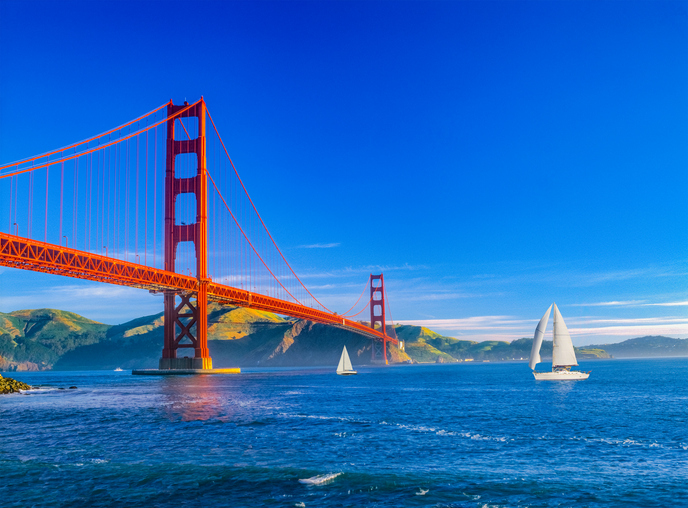
When it comes to hosting a company retreat in California, the options are truly endless. The Golden State has something for every group size and interest, from picturesque coastal towns to scenic mountain escapes. has something for every group size and interest, from picturesque coastal towns to scenic mountain escapes.
Here are some of the best locations to consider for your next company offsite retreat in California.
Napa Valley
Napa Valley offers a perfect blend of scenic beauty, world-class wine, and culinary experiences. Napa Valley’s rolling hills, lush vineyards, and picturesque wineries create a stunning backdrop for a company retreat. The area offers an idyllic escape from the hustle and bustle of the city, providing a serene and peaceful environment that encourages relaxation and rejuvenation. In addition, the beautiful landscape makes it an ideal location for outdoor team-building activities, including grape-stomping competitions, vineyard tours, and hot air balloon rides.
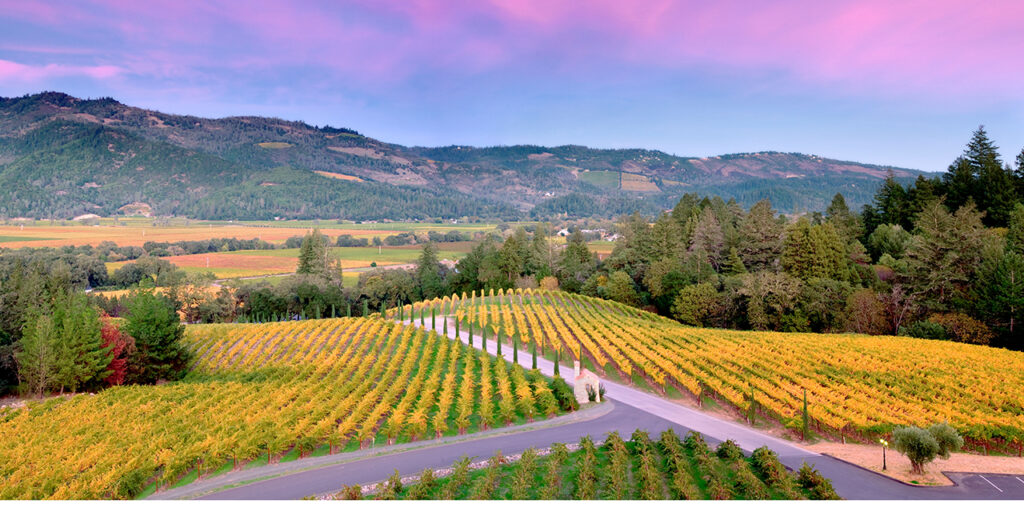
Napa Valley also offers a wide range of venues for hosting company retreats of all sizes. So whether you’re looking for a small meeting room or a large conference center, Napa Valley has plenty of options to choose from. In addition, many wineries in the area offer unique event spaces that can accommodate large groups for corporate events, including board meetings, product launches, and team-building exercises.
Lake Tahoe
Lake Tahoe, situated in the Sierra Nevada mountains, is renowned for its breathtaking natural beauty, crystal-clear waters, snow-capped mountains, and beautiful forests. The area provides a serene and peaceful environment that encourages relaxation and rejuvenation, making it an ideal location for a company retreat.
Lake Tahoe offers a diverse range of outdoor activities, making it a perfect destination for companies that want to incorporate team-building exercises and leisure activities into their retreat. During winter, companies can organize skiing or snowboarding trips to one of the many nearby ski resorts. In addition, the area offers kayaking, paddleboarding, fishing, golfing, and more in the summer.
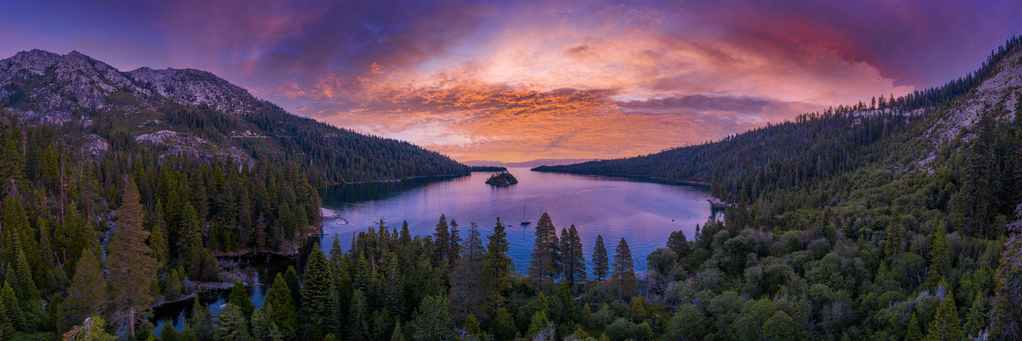
Lake Tahoe has several luxurious resorts, conference centers, and event spaces offering world-class amenities and services. Many of these venues have state-of-the-art technology, high-speed internet access, and spacious meeting rooms suitable for various corporate events.
Monterey
Monterey is situated on the central coast of California, providing a beautiful coastal setting that encourages relaxation and rejuvenation. This unique location offers stunning views of the Pacific Ocean, and the charming seaside town provides a serene environment perfect for a company retreat.
Monterey also offers a wide range of attractions that are perfect for incorporating into your company retreat. The area is home to the world-renowned Monterey Bay Aquarium, Cannery Row, and Fisherman’s Wharf, among other attractions. These attractions provide unique opportunities for team-building activities, including scavenger hunts, walking tours, and more.
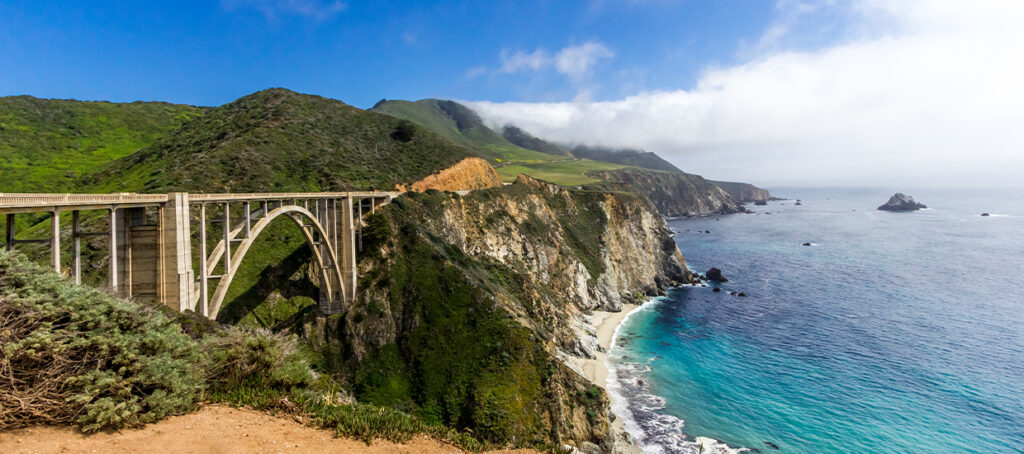
Monterey offers a variety of accommodations to suit every budget and preference. Several luxury resorts in the area have spacious meeting rooms, high-speed internet access, and on-site dining. There are also a variety of boutique hotels and bed and breakfasts that offer a more intimate and unique experience.
Palm Springs
Palm Springs is a desert oasis that offers a unique setting for your company retreat. The surrounding mountains, warm climate, and stunning natural beauty provide the perfect backdrop for a company retreat.
Situated in the Sonoran Desert, the area is perfect for outdoor team-building activities, including golf, hiking, hot air balloon rides, jeep tours, stargazing, and more. In addition, the area provides a perfect escape from colder climates, allowing teams to enjoy outdoor activities and relax in the sun.
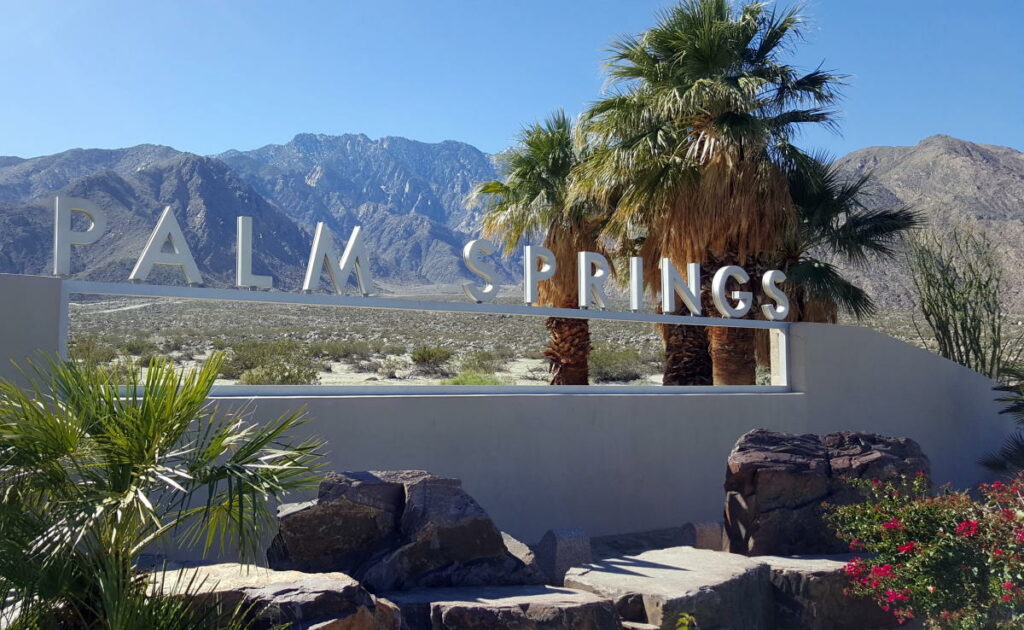
Palm Springs has several luxurious resorts, conference centers, and event spaces offering world-class amenities and services. Many of these venues have state-of-the-art technology, high-speed internet access, and spacious meeting rooms suitable for various events. In addition, the area is known for its on-site spas, golf courses, and fine dining options, making it a perfect destination for indulging in some luxury.
San Francisco
San Francisco is a bustling city that offers endless possibilities for team-building activities and cultural experiences. From exploring Alcatraz Island to cycling across the Golden Gate Bridge, there’s something for everyone in this vibrant city. The city also has a variety of venues that can accommodate large and small groups for meetings and events.
San Francisco is also a hub of cultural diversity, offering a range of cuisines, arts, and cultural experiences. As a result, the city provides a unique and eclectic environment that encourages creativity and inspiration, making it an ideal location for a company retreat. In addition, the area is perfect for team-building activities, including city tours, food tastings, and more.

San Francisco offers many attractions and amenities that are perfect for incorporating into your company retreat. The area has several museums, parks, and outdoor spaces, including the Golden Gate Park, the de Young Museum, and the California Palace of the Legion of Honor. The city also has a variety of event spaces, conference centers, and meeting rooms suitable for a range of company events.
San Diego
San Diego is a vibrant coastal city that offers the perfect blend of work and play for your company retreat. It boasts a warm and sunny climate year-round, making it an ideal destination for companies that want to escape colder climates. In addition, the area provides a perfect environment for outdoor activities, including team-building exercises, beach sports, and more.
San Diego is home to some of the most beautiful beaches in California, including La Jolla Cove, Coronado Beach, and Mission Beach. The area provides a picturesque setting that encourages relaxation and rejuvenation, making it an ideal location for a company retreat. The beaches offer opportunities for team-building activities, including beach volleyball, paddleboarding, and more. In addition, the area is home to several museums, parks, and outdoor spaces, including Balboa Park, the San Diego Zoo, and the USS Midway Museum.
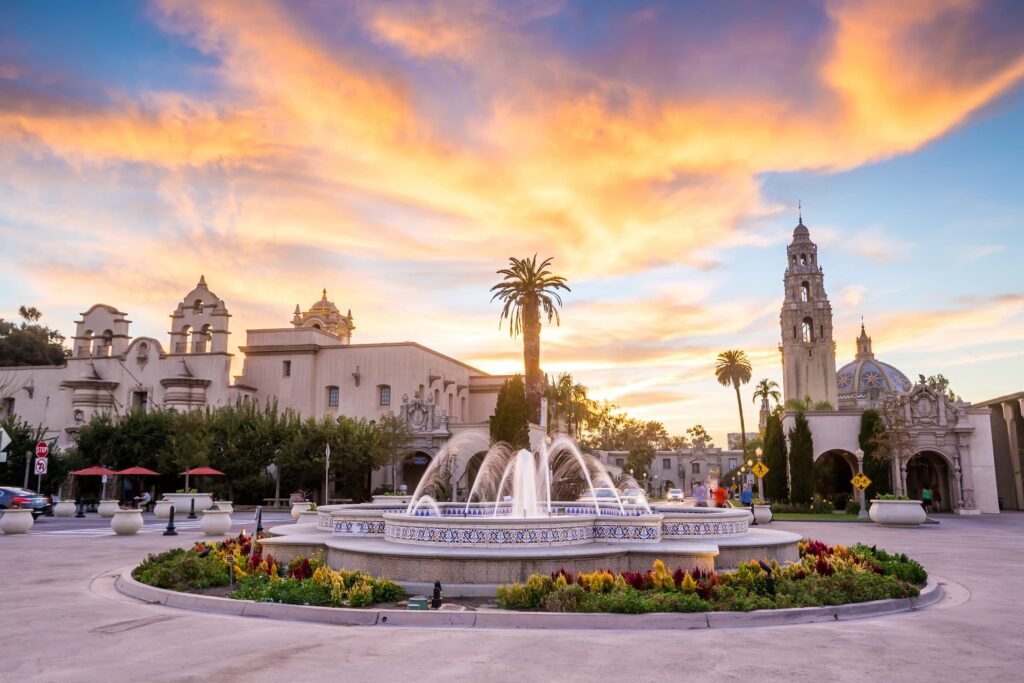
Regarding accommodations, San Diego has various options for every need and budget, from luxurious hotels to beachside cottages. For larger groups, several conference centers and event spaces offer state-of-the-art technology and plenty of meeting space.
Of course we are partial to San Diego since we are headquartered there.
Temecula
Temecula is a beautiful wine country located just north of San Diego. It offers an idyllic escape from the city, providing a serene and peaceful environment that encourages relaxation and rejuvenation. The area is known for its rolling hills, picturesque vineyards, and award-winning wineries. In addition, Temecula is a popular location for company retreats as it offers a peaceful escape from the hustle and bustle of city life, with plenty of opportunities for team-building activities, wine tastings, and relaxation.
Temecula offers diverse outdoor activities, making it a perfect destination for companies that want to incorporate team-building exercises and leisure activities into their retreat. The area is home to several golf courses, hiking trails, and parks, including the Santa Rosa Plateau Ecological Reserve. Additionally, there are opportunities for hot air balloon rides, skydiving, and more.
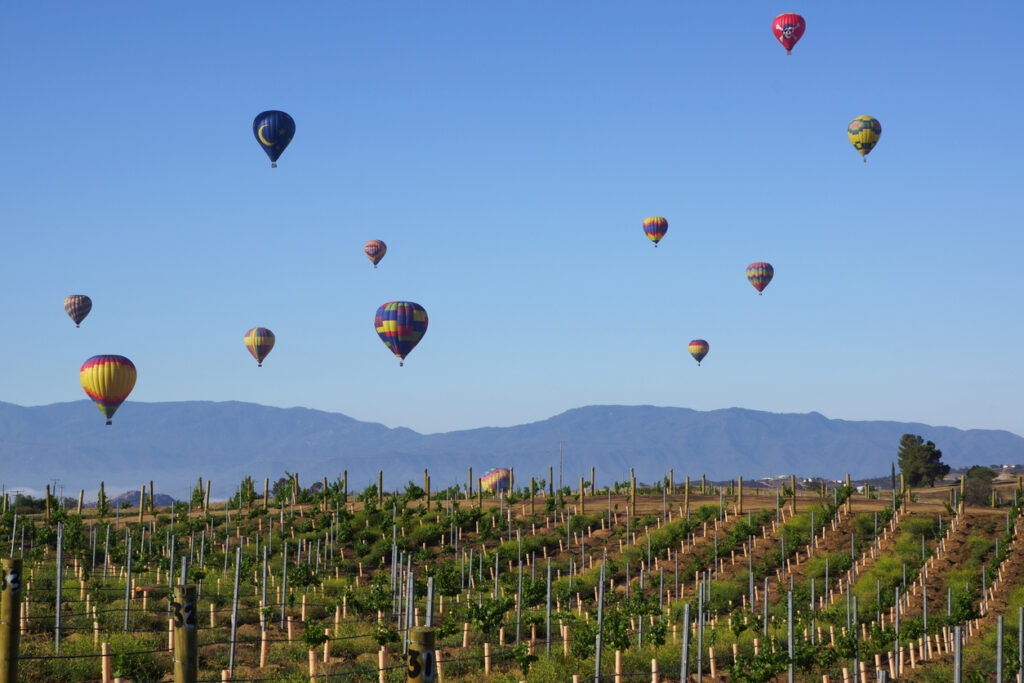
Temecula is known for its world-renowned wineries, providing a unique opportunity for companies to indulge in some luxury while on their retreat. The area is home to several wineries that offer wine tastings, tours, and gourmet dining experiences. Wineries also offer unique event spaces that can accommodate large groups for corporate events, including board meetings, product launches, and team-building exercises.
Santa Barbara
Santa Barbara is a charming coastal town that’s perfect for a company retreat. The area is known for its Mediterranean-style architecture, stunning beaches, and world-class restaurants. You can take your team on a bike ride along the beach, go wine tasting in the nearby Santa Ynez Valley, or relax and enjoy the beautiful scenery.
The town is home to several historic landmarks, including the Old Mission Santa Barbara and the Santa Barbara County Courthouse. The city also offers a variety of boutique shops, art galleries, and dining options, making it a perfect location for exploring and team-building activities. The area is also home to several museums, parks, and outdoor spaces, including the Santa Barbara Botanic Garden and the Santa Barbara Zoo. The city also has a variety of event spaces, conference centers, and meeting rooms suitable for a range of corporate events.
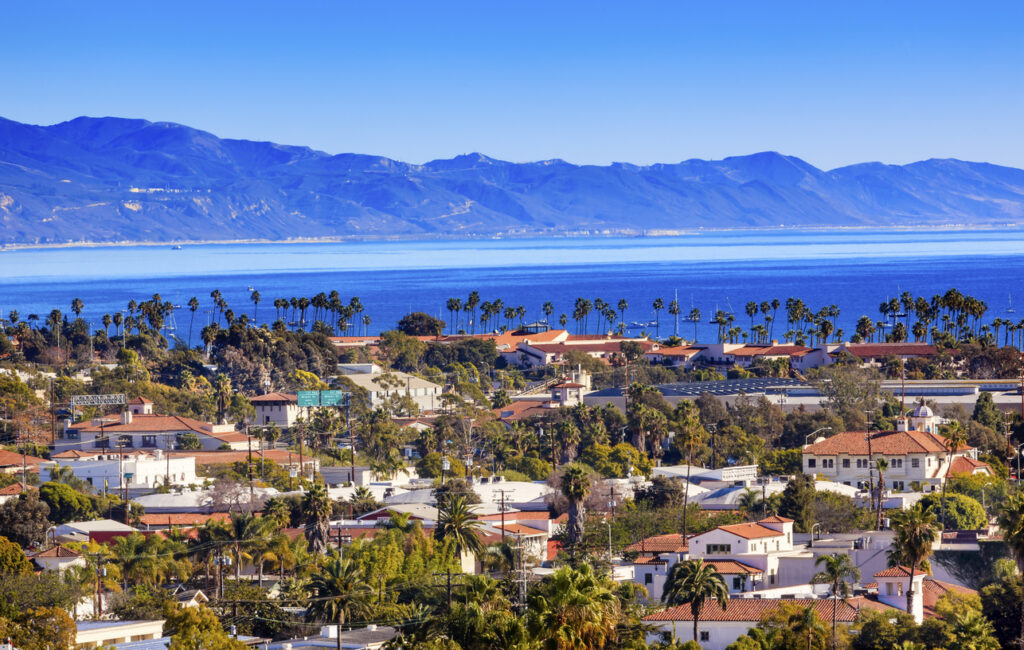
Santa Barbara offers a range of accommodations to suit every budget and preference. Several luxury resorts in the area, such as the Four Seasons Resort and The Biltmore Santa Barbara, offer spacious meeting rooms, high-speed internet access, and on-site dining. There are also a variety of boutique hotels and bed and breakfasts that provide a more intimate and unique experience.
The Golden State has a wide range of unique and vibrant destinations that are perfect for hosting an offsite company retreat. California has it all, whether you’re looking for a scenic mountain escape, a little fun in the sun, or a bustling city atmosphere. Consider these top locations to make your next company retreat a success.
Need help planning your next company retreat? Check out our Company Retreat Planning Services, or schedule a complimentary consultation.

Comments are closed.