

In a world where the line between work and life is increasingly blurred, it’s more important than ever to ensure that company meetings and retreats are productive but also engaging and meaningful.
At Vianova, we believe in cultivating connections through innovative activities that elevate the meeting experience beyond the conventional. Many organizations overlook the power of creative and dynamic approaches to team gatherings, often settling for standard agendas and forgettable formats. Our mission is to change that narrative. We specialize in transforming ordinary meetings and retreats into extraordinary experiences that energize, inspire, and unify teams. From breathtaking group fitness classes to customized adventure experiences, we offer a suite of activities designed to cater to any team’s diverse needs and preferences.
In this blog, we’re excited to share some top picks that can be seamlessly integrated into your next meeting or retreat, ensuring your team’s time together is not just spent but invested in ways that yield lasting benefits. Here are some top picks that we can seamlessly integrate into your next meeting or retreat:
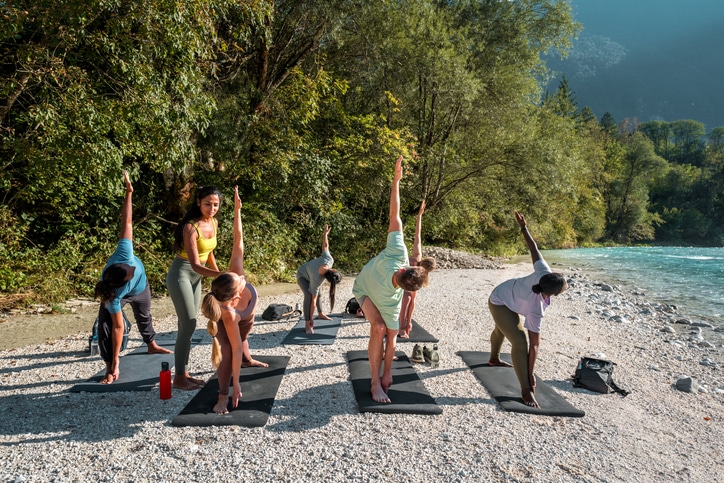
1. Energizing Group Fitness Classes Imagine starting your retreat day with a yoga session overlooking the ocean or a team boot camp in the fresh outdoor air. It’s a perfect way to energize your team and set a positive tone for the day.
2. Team-Building Through Recreational Activities Recreational activities are a fantastic way to encourage teamwork and a little friendly competition. How about a kayaking adventure or a beach volleyball tournament? These activities are not just fun; they foster collaboration and team spirit in the most natural setting.
3. Mind and Body Wellness Workshops Well-being is at the heart of productivity. Our wellness workshops cover essential topics like nutrition, mindfulness, and stress management. These sessions are invaluable for enhancing your team’s focus, resilience, and overall health.
4. Tailored Adventure Experiences Every team has its unique vibe, and we love to tailor experiences that resonate with your group. Whether it’s a scenic hike, a surfing lesson, or exploring local cultural spots, we can design adventures that align perfectly with your team’s interests and objectives.
5. Virtual Team Building for Remote Teams In today’s hybrid work environment, we understand the importance of keeping remote teams connected. Through virtual fitness challenges, online workshops, and interactive activities, we ensure that distance is no barrier to team building and engagement.
We are dedicated to making your organization’s meetings and retreats not just successful, but also memorable and invigorating. With our dynamic offerings, we’re here to help you create an experience that your team will love.
Ready to plan an extraordinary meeting or retreat? Reach out to us, and let’s bring your vision to life!
